The Tin Can Insect Hostel
What is a Tin Can Insect Hostel?
The tin can insect hostel is a great way to build simple, low‑cost insect houses using repurposed tin cans and natural garden materials. By creating safe spaces for solitary bees, ladybirds, and other helpful insects, It’s an easy, eco‑friendly activity that helps boost local biodiversity.

Resources needed to get involved:
- A clean tin can with the label removed (Soup/beans etc)
- A handful of hollow stems or an alternative Paper Straws/ Rolled
- Cardboard Tubes
- Small Twigs
- String or Wire
- Scissors
Step 1
Prepare your tin can
Wash the can thoroughly and let it dry. Check the can for any sharp edges gently sand them down or cover with tape so it’s safe for you when creating and the insects.

Step 2
Cut your stems or tubes
Cut your hollow stems/ paper straws/ cardboard tubes so they are just slightly shorter than the can. Make sure they are dry inside as insects won’t use damp or squashed tubes.

Step 3
Fill the can tightly
Pack the stems or tubes into the can until it feels snug. They should stay in place when you tip the can forward.
If you see small gaps, you can push in a few twigs to hold everything together (optional).

Step 4
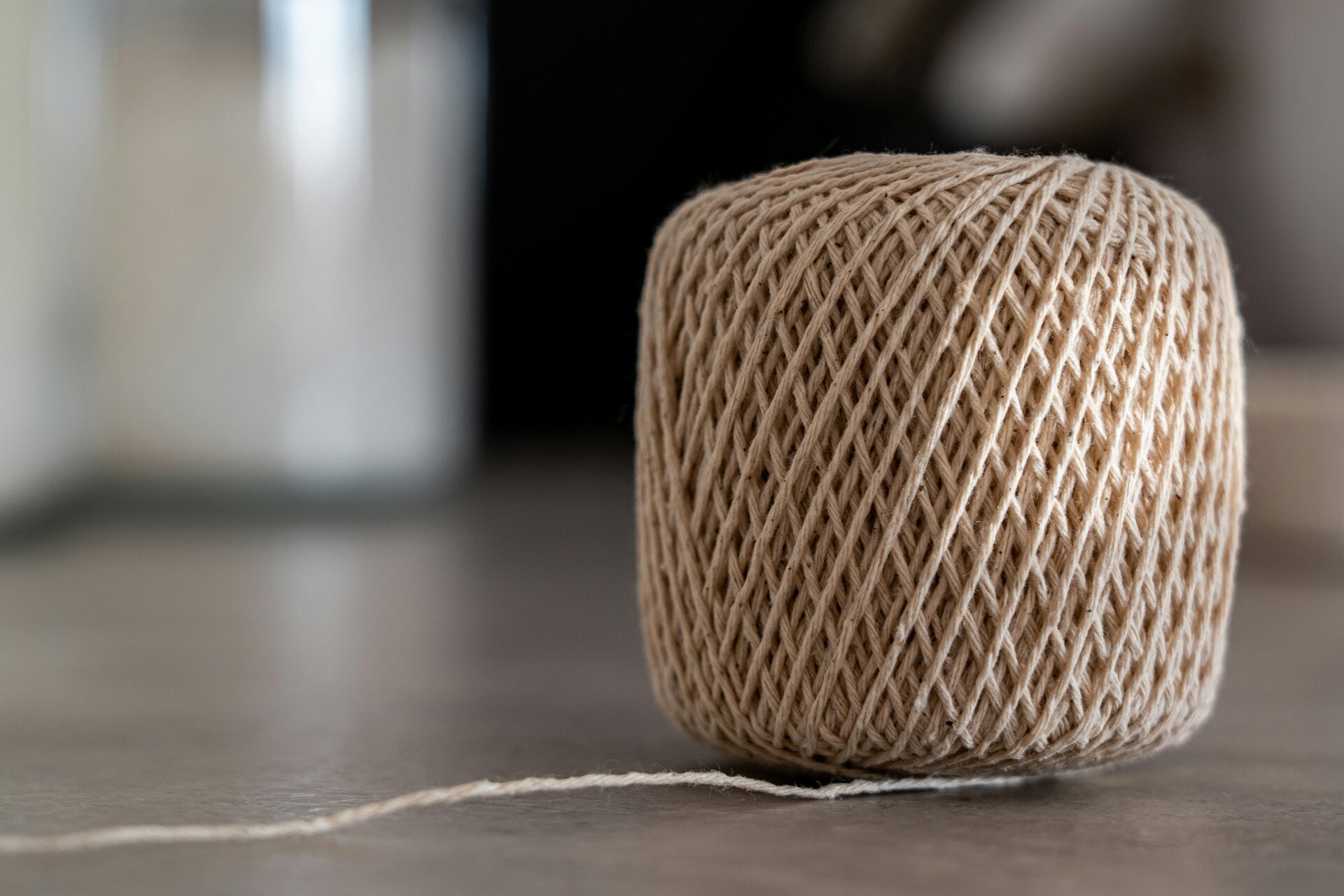
Attach the hanging string
Wrap string or wire securely around the can. Check that it won’t slip it needs to stay steady once hung outside.
Step 5
Choose a good spot
Hang your insect house at least 1 metre off the ground, In a sheltered, partly sunny location and with the open end facing slightly downward so rain can’t fill the tubes. Somewhere quiet if possible works best so insects feel safe.

Step 6
Let nature move in
That’s it! Leave the insect house in place and allow insects to explore and start nesting over time.
Replace the stems or cardboard tubes every 2–3 years. This keeps the insect house clean and safe for new visitors.


Why Get Involved?
1: Helps Pollinators Survive
Insect houses provide safe nesting spaces for solitary bees, which are essential pollinators. These bees help plants and flowers grow, reproduce, and maintain healthy ecosystems.
2: Supports Natural Pest Control
By offering shelter to helpful insects such as ladybirds and spiders, insect houses encourage natural pest control. These species feed on common garden pests like aphids, reducing the need for chemicals.
3: Creates a Small Ecosystem
Building an insect house brings different species together in one place, helping to create a mini‑ecosystem. This supports biodiversity and encourages a healthier balance in your garden.
4: Simple and Low‑Cost to Make
This initiative is easy to take part in and uses materials you likely already have, such as a tin can and natural garden items. By re purposing waste and everyday supplies, it’s an affordable and eco‑friendly activity.